You look in the mirror one morning and notice your skin seems drier, your face looks a little less plump, and your foundation is settling into lines you never had before. Maybe your hair feels thinner, or more strands are left in your brush. If this sounds familiar, menopause may be behind it. Hormone changes affect your skin and hair just as much as your sleep and mood.
The good news is that a few smart changes to your routine can make a real difference. This guide explains what’s happening and how to update your skincare, haircare and makeup so you look and feel like yourself.
What happens to your skin during menopause
Estrogen helps keep skin thick, plump, and well hydrated. It supports collagen, the protein that gives skin its firmness, and helps skin hold on to moisture. As estrogen declines:
- Collagen drops quickly. Research suggests women can lose around 30 percent of their skin’s collagen in the first five years after menopause.
- Skin becomes drier. Natural oils decrease, and the skin barrier becomes weaker.
- Skin gets thinner and more fragile. It may bruise more easily and heal more slowly.
- Elasticity decreases, so fine lines and sagging become more noticeable.
- Some women get adult acne or more sensitive skin because hormone balance shifts.
- Hot flashes can cause redness and flushing, and may worsen rosacea for some women.
Build a simple menopause skincare routine
You don’t need a 12-step routine. A few well-chosen products, used consistently, go a long way.
Morning
- Gentle cleanser. Switch to a creamy or hydrating cleanser without harsh foaming agents. On dry days, rinsing with lukewarm water may be enough.
- Antioxidant serum. A vitamin C serum can help brighten skin and protect against environmental damage.
- Moisturizer. Look for ingredients like hyaluronic acid, glycerin, ceramides, and squalane, which help hydrate and repair the skin barrier.
- Sunscreen, every day. Broad-spectrum SPF 30 or higher is the single most important anti-aging step. Sun damage speeds up collagen loss.
Evening
- Gentle cleanser to remove sunscreen and makeup.
- A retinoid. Retinol (over the counter) or prescription retinoids are among the best-studied ingredients for improving fine lines and supporting collagen. Start slowly, two or three nights a week, because they can be drying.
- A rich night cream to lock in moisture while you sleep.
Weekly extras
- A gentle exfoliant once a week, like a mild lactic acid product, to brighten dull skin
- A hydrating mask when your skin feels tight
- Extra care for your neck, chest and hands, which show age too
Calming hot flash redness
If hot flashes leave your face flushed and blotchy, try a cooling face mist, a chilled ice roller or a soothing serum with niacinamide or centella. Keep your skincare fragrance-free if your skin feels reactive. If redness is persistent or comes with bumps, talk to a dermatologist about rosacea.
What happens to your hair
Hair changes are common during menopause, and they can be upsetting. You might notice:
- Thinning, especially along the part or at the crown
- More shedding in the shower or on your brush
- Drier, more brittle texture
- Changes in curl or wave
- Unwanted facial hair, like a few stray chin hairs
These changes happen partly because estrogen and progesterone drop while androgens, a type of hormone, become relatively more influential.
Haircare that helps
- Be gentle. Use a wide-tooth comb, avoid tight ponytails, and limit high-heat styling.
- Choose a nourishing shampoo and conditioner for dry or thinning hair, and don’t wash more often than you need to.
- Try a hair mask or oil on the ends once a week.
- Protect your scalp from the sun with a hat or a scalp sunscreen spray.
- Consider a flattering cut. Layers and slightly shorter lengths can make thinning hair look fuller.
- Eat enough protein and iron, which support healthy hair growth.
If you notice sudden or heavy hair loss, see your doctor. Thyroid problems, low iron, and other conditions can also cause thinning, and there are effective treatments, like topical minoxidil, that a doctor can discuss with you.
Makeup that works with midlife skin
As skin changes, makeup that once looked great can start to look heavy. A few tweaks keep your look fresh:
- Prep with moisturizer and primer, so makeup glides on smoothly.
- Switch to lighter, hydrating foundations like skin tints or tinted moisturizers. Heavy matte formulas can settle into lines.
- Use cream blush and highlighter, which look more natural than powders on drier skin.
- Go easy on powder. Apply it only where you need it, like the T-zone.
- Define your brows, which often thin with age. Softly filled brows frame the face.
- Choose hydrating lip colors in balms, creams, or tinted oils.
Lifestyle habits that show on your skin
- Sleep: your skin repairs itself overnight.
- Hydration: drink water through the day, especially if hot flashes make you sweat.
- Nutrition: colorful vegetables, fruits, healthy fats, and protein support skin from the inside.
- Don’t smoke: smoking speeds up skin aging and collagen loss.
- Manage stress: stress can trigger breakouts and flare-ups.
Talk to a professional when you need to
A dermatologist can recommend prescription treatments and in-office options if you’d like more help. Some women also find that hormone therapy improves skin hydration and thickness, which you can discuss with your doctor as part of a wider conversation about menopause symptoms.
The takeaway
Menopause changes your skin and hair, but a simple, consistent routine can help you feel confident in your reflection. Hydrate, protect with daily sunscreen, add a retinoid, treat your hair gently, and lighten up your makeup. Above all, be kind to yourself. Your skin is telling the story of a life well lived, and it deserves care, not criticism.
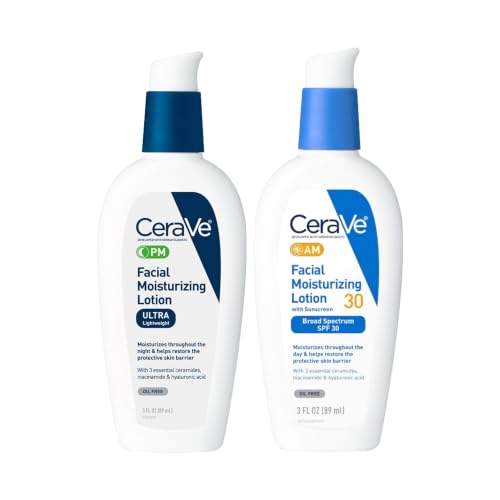
- [ 3 ESSENTIAL CERAMIDES ] Ceramides are found naturally in the skin and make up 50% of the lipids in the skin barrier. A…
- [ ESSENTIAL CERAMIDES ] Ceramides are found naturally in the skin and make up 50% of the lipids in the skin barrier. All…
- [ DEVELOPED WITH DERMATOLOGISTS ] CeraVe Skincare is developed with dermatologists and has products suitable for dry ski…
This article is for general information only and isn’t medical advice. Talk with a dermatologist or doctor about any skin or hair concerns.