
You’ve cooled the bedroom, bought breathable sheets, and put your phone away at night, but you’re still waking up at 2 a.m. feeling hot and restless. It might be time to look at what’s on your plate and in your glass. What you eat and drink, and when, has a real effect on how well you sleep, and that connection becomes even more noticeable during perimenopause and menopause.
This guide explains how food and drinks affect your sleep in midlife and gives you simple, practical changes to try, without strict rules or giving up everything you love.
Why food and sleep are so connected in menopause
During menopause, your body becomes more sensitive in several ways. Your internal thermostat reacts to smaller changes, so anything that raises your body temperature can make night sweats more likely. Your blood sugar may swing more easily, which can wake you up. And your digestion may not handle late, heavy meals the way it once did.
The good news is that this sensitivity works both ways. Small changes to your evening eating habits can make a noticeable difference to how you sleep.
Caffeine: the hidden sleep thief
Caffeine blocks a sleep-promoting chemical in your brain called adenosine. Its effects can last much longer than most people realize. On average, it takes about five hours for your body to clear half of the caffeine you drink, and for some people it’s much longer. That means a 3 p.m. latte can still be in your system at bedtime.
What to try:
- Have your last caffeinated drink before noon or early afternoon.
- Watch for hidden caffeine in tea, cola, energy drinks, chocolate, and some pain relievers.
- Switch to decaf coffee or herbal tea in the afternoon if you love the ritual.
- If you’re very sensitive, cut back gradually to avoid headaches.
Alcohol: the false friend
A glass of wine can make you feel relaxed and drowsy, which is why so many of us reach for one in the evening. But alcohol tends to disrupt sleep later in the night. As your body processes it, sleep becomes lighter and more broken. Alcohol also widens blood vessels and can trigger hot flashes and night sweats for many women.
What to try:
- Enjoy alcohol earlier in the evening, with food, rather than right before bed.
- Alternate with water or sparkling water.
- Try a few alcohol-free nights a week and notice how you sleep.
- Explore alcohol-free alternatives, like a chilled mocktail with sparkling water, lime and mint.
Spicy and heavy meals
Spicy foods can raise your body temperature slightly, which is the last thing you need when you’re prone to night sweats. Large, rich or fatty meals take longer to digest and can cause heartburn or discomfort when you lie down.
What to try:
- Finish dinner about two to three hours before bed when possible.
- Keep spicy dishes for lunch instead of dinner.
- Make dinner a moderate size, and eat a bigger breakfast or lunch if that suits you.
- If heartburn is a problem, raise the head of your bed slightly and avoid lying down right after eating.
Blood sugar and the 3 a.m. wake-up
Some women find that eating a sugary snack or a dinner made mostly of refined carbohydrates leads to an energy crash later. Blood sugar swings can contribute to waking in the night for some people.
What to try:
- Build dinner around protein, vegetables, healthy fats, and fiber-rich carbohydrates, like beans, whole grains, or sweet potatoes.
- If you need an evening snack, pair a carbohydrate with protein or fat, like apple slices with nut butter, or whole grain crackers with cheese.
- Go easy on desserts and sweets late in the evening.
Foods that may support better sleep
No single food is a magic sleep cure, but some nutrients play a role in relaxation and sleep:
- Magnesium-rich foods: leafy greens, pumpkin seeds, almonds, beans and whole grains.
- Tryptophan-containing foods: turkey, chicken, eggs, dairy, tofu and seeds. Tryptophan is used to make serotonin and melatonin.
- Complex carbohydrates: oats, brown rice and whole grain bread can help tryptophan reach the brain.
- Tart cherries and kiwi: some small studies suggest these fruits may help with sleep, although more research is needed.
A small, balanced bedtime snack, like a bowl of oatmeal, a banana with almond butter, or yogurt with seeds, may help if hunger tends to wake you.
Hydration without the night trips
Staying hydrated helps your body handle hot flashes and night sweats. But drinking a lot right before bed can send you to the bathroom in the middle of the night, which becomes more common with age.
What to try:
- Drink most of your water earlier in the day.
- Have a small glass with dinner and sip only as needed after that.
- Keep a glass of ice water on your nightstand for night sweats, but sip slowly.
- Limit fizzy drinks and caffeine in the evening, as both can irritate the bladder.
Calming evening drinks
A warm, caffeine-free drink can become a soothing part of your bedtime routine:
- Chamomile tea
- Peppermint tea, which is also lovely iced on warm nights
- Rooibos tea
- Warm milk or a plant-based milk with a pinch of cinnamon
If you take medications or have health conditions, check with your doctor or pharmacist before trying new herbal teas, since some herbs can interact with medicines.
Try a two-week food and sleep diary
The best way to learn what affects your sleep is to track it. For two weeks, write down:
- What time you had caffeine and alcohol
- What and when you ate dinner and any evening snacks
- When you went to bed and woke up
- Night sweats, hot flashes, or night-time wake-ups
- How rested you felt in the morning
Patterns often appear quickly. You might discover that red wine on Friday nights always brings night sweats, or that a late spicy dinner means a restless night.
The takeaway
What you eat and drink can make menopause sleep better or worse. Cut off caffeine early, enjoy alcohol earlier and in moderation, keep spicy and heavy meals for earlier in the day, build balanced dinners, and time your drinks wisely. Small, steady changes can lead to cooler, calmer, and more restful nights.
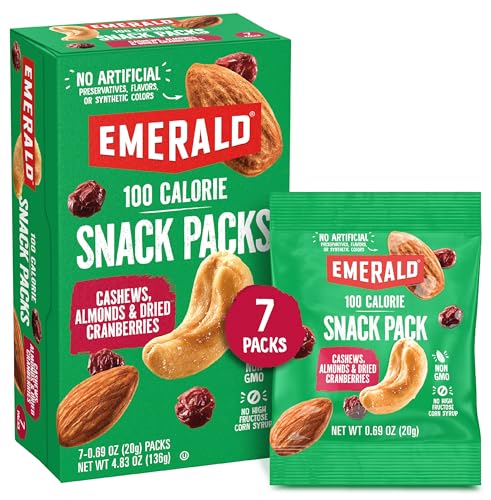
- 100-CALORIE PACKS: Made from a blend of cashews and almonds with dried cranberries, these individually portioned snacks …
- ONLY THE GOOD STUFF: We source only the tastiest, highest-quality nuts! They are Kosher Certified, non-GMO, and contain …
- A NUTRITIOUS CHOICE: Whole almonds, cashews and dried cranberries help fuel your day! Nuts and dried fruit are the ideal…
This article is for general information only and isn’t medical advice. Talk with your doctor or a registered dietitian about your own needs, especially if you have a health condition.