
You finally drift off, and then it starts: a creepy, crawly, can’t-keep-still feeling in your legs that only eases when you move them. Or you wake up at 3 a.m. with a sudden, rock-hard cramp in your calf that takes your breath away. Restless legs and night-time leg cramps are two of the most frustrating sleep disruptors, and many women notice them more in their 40s and 50s.
They’re different conditions with different causes, but both can steal hours of sleep. This guide explains what each one is, why they become more common in midlife, and what you can do to finally keep your legs still and your nights peaceful.
Restless legs syndrome: what it feels like
Restless legs syndrome, often called RLS, causes an uncomfortable urge to move your legs. People describe the sensation as crawling, tingling, pulling, itching, throbbing, or “electric.” It usually:
- Starts or gets worse when you’re resting, sitting, or lying down
- Is worse in the evening and at night
- Eases, at least for a while, when you move, stretch, or walk
- Makes it hard to fall asleep or get back to sleep
Some people with RLS also have small, involuntary leg jerks during sleep, which can disrupt sleep further without them even knowing.
Why restless legs can show up in midlife
RLS is more common in women than men and becomes more common with age. Several factors may play a role:
- Low iron. Iron is needed for dopamine, a brain chemical involved in movement. Low iron stores are strongly linked with RLS, even when you’re not anemic. Heavy periods during perimenopause can lower iron levels.
- Hormone changes. Some women notice RLS symptoms shift with hormonal changes, although the connection isn’t fully understood.
- Poor sleep. Sleep deprivation can make RLS worse, creating a frustrating cycle.
- Certain medications. Some antihistamines, anti-nausea medicines and antidepressants can trigger or worsen RLS.
- Other health conditions. Kidney disease, diabetes and nerve problems can be linked with RLS.
- Genetics. RLS often runs in families.
Night-time leg cramps: a different problem
Leg cramps are sudden, painful, involuntary tightening of a muscle, most often in the calf, but sometimes in the foot or thigh. Unlike RLS, there’s no crawling urge to move. Instead, there’s a sharp, hard knot that can last seconds or minutes and leave the muscle sore afterward.
Night cramps become more common with age. Possible contributors include:
- Muscle fatigue or overuse during the day
- Sitting for long periods or sitting with legs crossed
- Tight calf muscles and reduced flexibility
- Dehydration, especially if night sweats are making you lose fluids
- Certain medications, such as some diuretics and statins
- Some health conditions, like diabetes, thyroid problems, or circulation issues
In many cases, though, there’s no clear cause.
What helps restless legs
Get your iron checked
Ask your doctor for a blood test that includes ferritin, which shows your iron stores. If your levels are low, your doctor may recommend iron supplements. Don’t take iron without testing, because too much iron can be harmful.
Review your medications
Bring a list of everything you take, including over-the-counter sleep aids and allergy pills, to your doctor or pharmacist. Some common antihistamines found in “PM” sleep products can make RLS worse.
Build calming evening habits
- Move during the day. Moderate exercise, like walking, cycling or swimming, can help. Avoid very intense workouts late in the evening.
- Stretch before bed. Gentle calf, hamstring and hip stretches can ease symptoms.
- Try a warm bath and a leg massage in the evening.
- Keep your mind busy when sitting for long stretches, with a puzzle, conversation or hobby.
- Cut back on caffeine, alcohol and nicotine, which can all make RLS worse.
- Keep a regular sleep schedule, since tiredness worsens symptoms.
Use counter-stimulation
Some people find relief with gentle pressure or sensation, like compression socks, a foot wrap designed for RLS, a heating pad, or a cold pack. It’s worth experimenting to see what helps you.
Talk to your doctor about treatment
If RLS is frequent and affecting your sleep, there are prescription treatments. Your doctor can recommend the right option based on your symptoms and health history.
What helps leg cramps
Stretch, especially your calves
Regular calf stretching may help reduce cramps. Try this before bed:
- Stand facing a wall with your hands on it.
- Step one foot back, keeping the heel on the floor and the leg straight.
- Lean forward until you feel a stretch in the calf.
- Hold for 30 seconds, then switch legs. Repeat two or three times.
Stop a cramp in the moment
- Flex your foot, pulling your toes up toward your shin.
- Stand up and put weight on the cramping leg.
- Gently massage the muscle.
- Apply warmth to relax the muscle, or cold afterward for soreness.
Stay hydrated
Drink water throughout the day, especially if night sweats leave you damp. Try not to drink large amounts right before bed if night-time bathroom trips are a problem.
Mind your sleeping position
Heavy blankets can push your toes down and shorten the calf muscle overnight. Loosen the covers at the foot of the bed, or sleep with a pillow under your knees if you’re on your back.
About magnesium
Magnesium is often recommended for leg cramps, but research in older adults has found it’s unlikely to help much for typical night cramps. If you’re curious about trying it, talk to your doctor first, especially if you have kidney problems or take other medications.
When to see a doctor
Talk to your doctor if:
- Leg symptoms are disrupting your sleep regularly
- Cramps are very frequent or severe
- You notice swelling, redness, warmth or pain in one leg, which needs prompt attention
- You have muscle weakness, numbness or changes in your skin
- Symptoms began after starting a new medication
The takeaway
Restless legs and night-time leg cramps can turn bedtime into a battle, but there’s plenty you can do. For restless legs, check your iron, review medications, move during the day, and cut back on caffeine and alcohol. For cramps, stretch your calves, stay hydrated, and loosen tight bedding. If symptoms persist, your doctor can help you find relief, so you and your legs can finally rest.
This article is for general information only and isn’t medical advice. Talk with your doctor about your own symptoms and treatment options.
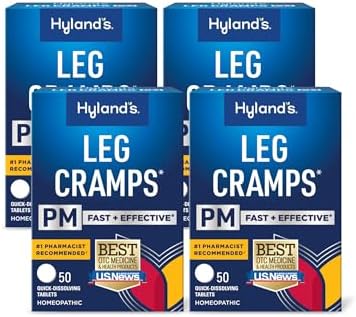
- Nighttime leg cramp relief, so you can sleep
- Temporarily relieves leg, calf, and foot cramps and accompanying sleeplessness without any next day grogginess
- Quick-dissolving tablets deliver fast relief with no water needed and no stomach upset