Finding more hair in your brush, on your pillow, or in the shower drain can be upsetting. Maybe your ponytail feels thinner, your part looks wider, or you can see more of your scalp under bright lights. Hair loss is one of the most searched menopause concerns, and for many women, it hits confidence harder than almost any other symptom.
The good news is that there’s a lot you can do. This guide explains why hair thins during menopause, other causes to rule out, the treatments that have the best evidence, and the styling tricks that make thinning hair look fuller right away.
Why menopause causes hair loss
Hair grows in cycles: a long growing phase, a short transition, and a resting phase before the hair falls out and is replaced. Estrogen and progesterone help keep hair in the growing phase longer, which means thicker, fuller hair.
As these hormones decline during perimenopause and menopause, several things can happen:
- Hair spends less time growing, so strands are shorter and finer.
- Androgens have a relatively stronger effect. Women naturally have small amounts of these hormones, and as estrogen drops, their influence can shrink hair follicles in women who are sensitive to them.
- Hair becomes thinner in diameter, so even the same number of hairs looks like less.
The most common pattern is called female pattern hair loss. It usually shows up as gradual thinning at the crown and a widening part, rather than bald patches. The hairline at the front often stays in place.
Other causes worth checking
Not all hair loss in midlife is due to menopause. Other common causes include:
- Low iron stores, which can result from heavy periods during perimenopause
- Thyroid problems, both underactive and overactive
- Telogen effluvium, a temporary shedding that can follow stress, illness, surgery, crash dieting, or a major life event, usually showing up a few months later
- Low vitamin D or other nutrient gaps
- Certain medications
- Tight hairstyles, harsh chemical treatments and heat damage
- Scalp conditions, such as dermatitis or psoriasis
If your hair loss is sudden, patchy or comes with other symptoms, like fatigue, weight changes or feeling cold, see your doctor. Simple blood tests can check your iron, thyroid and vitamin levels.
Treatments with the best evidence
Topical minoxidil
Minoxidil is one of the most studied treatments for female pattern hair loss and is available over the counter as a foam or liquid. It can help slow thinning and regrow some hair for many women. A few things to know:
- It takes time. Most people need at least three to six months to see results.
- You may notice extra shedding in the first few weeks, which usually settles.
- It needs to be used consistently. If you stop, the benefits gradually fade.
- Talk to your doctor or pharmacist about the right strength and how to use it.
Prescription options
Your doctor or a dermatologist may discuss other options, such as low-dose oral minoxidil or medications that reduce the effects of androgens on hair follicles. These aren’t right for everyone, so a professional assessment is important.
Treating underlying causes
If blood tests show low iron, thyroid problems, or other issues, treating them can help hair recover.
Hormone therapy
Some women notice their hair improves with hormone therapy prescribed for other menopause symptoms, but it isn’t generally used as a treatment for hair loss alone. Discuss this with your doctor as part of a wider conversation about your symptoms.
Other options
Some clinics offer treatments like low-level laser therapy or platelet-rich plasma (PRP) injections. Evidence is still developing for some of these, so ask a dermatologist about the benefits, costs, and realistic results.
Everyday hair care for thinning hair
- Be gentle. Use a wide-tooth comb, detangle carefully, and avoid brushing wet hair roughly.
- Skip tight styles, like tight ponytails, buns and braids that pull on the hairline.
- Turn down the heat. Use heat tools on a lower setting and apply a heat protectant.
- Choose a volumizing shampoo and a lightweight conditioner, applying conditioner mainly to the ends.
- Limit harsh chemical processes, like bleaching and perms, which can weaken hair.
- Protect your scalp from the sun with a hat or scalp sunscreen spray.
- Use a silk or satin pillowcase to reduce friction and breakage.
Eat for healthy hair
Hair needs good nutrition to grow. Focus on:
- Protein at every meal, from eggs, fish, chicken, beans, lentils, yogurt, or tofu
- Iron-rich foods like lean red meat, beans, spinach, and fortified cereals
- Healthy fats from salmon, nuts, seeds, and olive oil
- Colorful fruits and vegetables for vitamins and antioxidants
Be cautious with hair supplements. Many contain biotin, which most people already get enough of, and high doses can interfere with some lab tests. Talk to your doctor before starting supplements.
Haircuts and styles that make hair look fuller
The right cut can make a big difference right away:
- A blunt bob or lob. Blunt ends make hair look thicker than long, wispy lengths.
- Soft, face-framing layers. Light layers add movement and volume without thinning out the ends.
- Curtain bangs or side-swept bangs. These can disguise a thinning hairline or part.
- A side part or zigzag part. Switching your part can hide a widening center part.
- Gentle waves. Loose curls or waves create the illusion of more volume.
Styling tips:
- Blow-dry with your head upside down for lift at the roots.
- Use a lightweight volumizing mousse or root-lift spray.
- Try dry shampoo at the roots for instant texture and volume.
- Consider a shade with subtle highlights or lowlights, which add dimension and make the scalp less noticeable.
- Hair fibers or tinted root powders can temporarily disguise thinner areas.
Take care of your emotional health too
Hair loss can affect self-esteem and mood. You’re not being vain if it bothers you. Talk to friends, a hairstylist experienced with thinning hair, or a professional if it’s affecting your confidence.
The takeaway
Hair thinning is one of the most common menopause concerns, caused mainly by falling estrogen and the relative effect of androgens on hair follicles. Rule out other causes like low iron and thyroid problems, consider proven treatments like minoxidil, care for your hair gently, eat well, and choose a cut and style that boosts volume. With patience and the right approach, many women see real improvement in how their hair looks and feels.
This article is for general information only and isn’t medical advice. Talk with your doctor or a dermatologist about hair loss and treatment options.
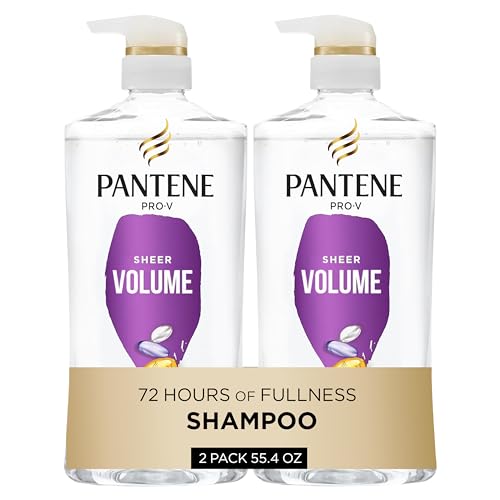
- HARD WORKING Fuels hair with a potent blend of Pro-V nutrients and antioxidants so hair is soft and primed for optimal f…
- LONG LASTING Gently cleanses with a vitamin-rich formula with 2x more nutrients, with results that last 72 plus hours
- FULLNESS WITH EVERY WASH Revitalize hair with fullness and movement