
You throw the covers off at 2 a.m. He pulls them back. You turn the fan on high. He reaches for an extra blanket. You finally drift off, and his snoring wakes you again at 4.
By morning, you’re both exhausted and a little resentful. Sound familiar?
More couples than you might think are quietly solving this with a “sleep divorce,” sleeping in separate beds or separate rooms. It sounds dramatic, but for many couples in menopause it isn’t the end of closeness. It’s what saves it.
Why Sharing a Bed Gets Harder in Menopause
Menopause can turn the shared bed into a battleground, even in happy relationships:
- Night sweats and hot flashes. You want the room cold and the covers off. Your partner wants to be warm.
- Restless nights. Every time you wake up soaked, change your pajamas or flip the pillow, you may wake your partner too.
- Insomnia and 3 a.m. wake-ups, where you’d love to read for a while but don’t want to disturb anyone.
- Snoring, yours or theirs. Snoring and sleep apnea become more common in women after menopause, and men’s snoring often gets worse with age, too. Read more in our guide to sleep apnea after menopause.
- Different schedules. One of you is an early bird, the other a night owl.
Why Good Sleep Matters for Your Relationship
Poor sleep doesn’t stay in the bedroom. When we’re short on sleep, we’re more irritable, less patient and less able to manage our emotions. Small annoyances turn into arguments.
Two well-rested people are usually kinder, more playful and more interested in each other. Sometimes the most loving thing you can do for your relationship is make sure you both actually sleep.
Sleep Divorce Doesn’t Have to Mean Separate Rooms
There’s a whole range of options. Start with the smallest change that solves your problem.
Level 1: Same bed, separate covers
Use two lighter duvets or blankets instead of one shared comforter. This alone ends a lot of tug-of-war and lets each of you set your own temperature. Pair it with breathable sheets; our guide to cooling sheets for night sweats explains what to look for.
Level 2: Same bed, personal cooling
A quiet fan on your side of the bed, aimed at you, can cool you down without freezing your partner. Some couples also use split-temperature mattress pads or cooling pillows on one side only.
Level 3: Two beds, one room
Two twin beds pushed close, or two separate beds in the same room, can be the sweet spot. You still fall asleep near each other and wake up together, but tossing and turning doesn’t travel.
Level 4: Separate rooms
If snoring or very different schedules are the main problem, separate rooms may be the most restful option. Many couples choose to start the night together and move to separate rooms to sleep, or reserve shared nights for weekends.
How to Bring It Up Without Hurting Feelings
For many partners, the hardest part isn’t the logistics. It’s the worry about what it means. A few tips:
- Talk about it during the day, not at 3 a.m. when you’re both frustrated.
- Lead with the goal. “I want us both to sleep better, because I miss feeling rested with you.”
- Make it about sleep, not about them. “My night sweats wake you up, and your snoring wakes me up. Neither of us is getting good sleep.”
- Frame it as an experiment. Try it for two weeks, then check in.
- Reassure them about closeness. Say clearly that this isn’t about wanting less time together.
If conversations about menopause feel hard in general, our conversation starters for couples can help get things moving.
How to Stay Close When You Sleep Apart
The couples who do best with separate sleeping plan for connection on purpose:
- Keep a bedtime ritual. Spend 15 to 20 minutes together before you split up: talking, cuddling, reading side by side or sharing a cup of herbal tea.
- Say goodnight properly. A real hug and kiss, not a shout down the hall.
- Have a morning ritual, too. Coffee together, a weekend lie-in in one bed or a short walk before the day starts.
- Keep physical affection in your day. Hold hands, sit close on the couch and touch in passing.
- Plan intimate time. It may sound unromantic, but many couples find that planning makes intimacy more likely, not less. Read more in our guide to body confidence and intimacy in midlife.
- Keep an open-door policy. Either of you is welcome to visit any time.
Fix the Sleep Problems, Too
Separate sleeping can ease the strain, but it’s still worth treating the cause. Talk to your doctor about frequent night sweats, ongoing insomnia or loud snoring with pauses in breathing, which can be a sign of sleep apnea. Better treatment may mean you can share a bed comfortably again.
The Bottom Line
A sleep divorce isn’t a sign that your relationship is in trouble. For many couples in menopause, it’s a practical way to get the rest you both need, and to wake up glad to see each other.
Start small, talk kindly, and protect your time together. Good sleep and real closeness can go hand in hand.
This article is for general information only and is not medical advice. If menopause symptoms are affecting your sleep, mood or daily life, talk with your doctor or a menopause-informed healthcare provider.
Affiliate disclosure: As an Amazon Associate, MenopauseWeb earns from qualifying purchases. Some links on this page may be affiliate links, which means we may earn a small commission at no extra cost to you.
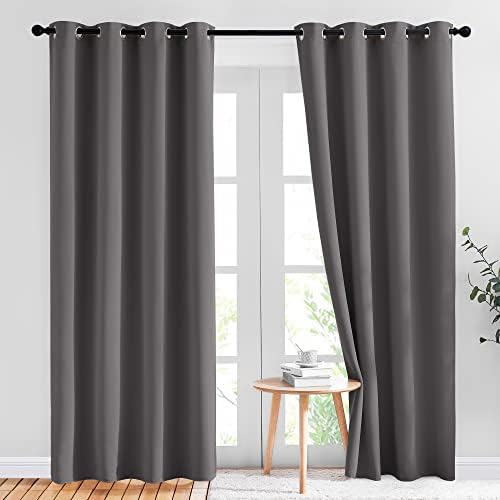
- Elegant Design: 2 panels per package. Each Blackout Curtain measures 52″ wide x 84″ long. The design of silver grommet (…
- Amazing Material: Super heavy and soft Blackout Curtain Panels are very upmarket. Besides, 85%-99% light blocking, therm…
- Good Performance: Protect your furniture and floor exposed to the sun, while still helping you on heating and cooling yo…

- 𝑾𝒉𝒐𝒍𝒆-𝒓𝒐𝒐𝒎 𝑨𝒊𝒓𝒇𝒍𝒐𝒘 𝑷𝒐𝒘𝒆𝒓: TurboWind tech ensures whole-room circulation, delivers up to 950 CFM airflow and sends air up…
- 𝟯𝘿 𝘼𝙪𝙩𝙤 𝙊𝙨𝙘𝙞𝙡𝙡𝙖𝙩𝙞𝙤𝙣: Featuring 90° vertical & horizontal oscillation, this fan circulates air throughout the whole-room,…
- 𝙌𝙪𝙞𝙚𝙩, 𝙀𝙣𝙚𝙧𝙜𝙮-𝙎𝙖𝙫𝙞𝙣𝙜 𝙋𝙚𝙧𝙛𝙤𝙧𝙢𝙖𝙣𝙘𝙚: Powered by its Next-Gen Brushless DC Motor, the small fan runs as low as 20 dB for res…