
Your favorite moisturizer used to be enough. Now your face feels tight by lunchtime, your shins look flaky and your back itches in places you can’t reach.
Dry, itchy skin is a very common and often overlooked part of menopause, and winter makes it worse. The good news is that a few simple changes can make your skin feel comfortable again.
Why Menopause Changes Your Skin
Estrogen helps keep skin plump, smooth and hydrated. It supports collagen, the protein that gives skin its firmness, and it helps your skin hold onto moisture and make its own natural oils.
As estrogen falls:
- Collagen drops quickly. Research suggests women lose a significant share of skin collagen in the first few years after menopause, which makes skin thinner and more fragile.
- Your skin barrier weakens. The outer layer of skin works like a brick wall, with fats called ceramides as the mortar. When that barrier thins, moisture escapes more easily.
- Oil production slows. Less oil means less natural protection.
- Healing takes longer. Scratches and irritation can linger.
Add cold air outside, dry heat inside, hot showers and wool sweaters, and you have a recipe for itchy, uncomfortable skin.
Some women also notice a crawling or tingling feeling on their skin, called formication. It can be unsettling, but it’s often linked to dryness and hormone changes. Mention it to your doctor, especially if it’s severe.
A Simple Winter Routine for Your Face
Morning
- Rinse or cleanse gently. If your skin is very dry, a splash of lukewarm water may be all you need in the morning.
- Apply a hydrating serum if you like one. Hyaluronic acid or glycerin draws water into the skin. Apply it to slightly damp skin.
- Moisturize with a cream that contains ceramides, which help repair your skin barrier.
- Finish with sunscreen, SPF 30 or higher, even in winter. Sun damage breaks down collagen, and it doesn’t take a summer holiday.
Evening
- Use a creamy, non-foaming cleanser. Foaming cleansers can strip the oils your skin needs.
- Add a treatment if you use one. Retinoids are one of the best-studied ingredients for aging skin, but they can be drying. Start slowly, two or three nights a week, and buffer with moisturizer.
- Moisturize generously with a richer night cream.
Keep it simple. Using lots of active ingredients at once can irritate thinner, more sensitive skin.
A Simple Winter Routine for Your Body
- Shorten your shower. Five to ten minutes in warm, not hot, water. Hot water feels wonderful but strips your skin’s oils.
- Swap harsh soap for a gentle body wash, and use it mainly where you need it rather than all over.
- Pat dry, then moisturize within three minutes. Applying cream to damp skin locks in water.
- Choose creams or ointments over thin lotions. Look for ceramides, glycerin, shea butter or petrolatum. Products with urea or lactic acid can help with rough, flaky patches on legs and elbows.
- Go fragrance-free if your skin is itchy. Fragrance is a common irritant.
Small Changes Around the House
- Run a humidifier in your bedroom to add moisture to dry winter air.
- Wear soft, breathable layers next to your skin. Scratchy wool can trigger itching, so try merino or cotton as a base layer. Our guide to winter style when you run hot has ideas that also help with hot flashes.
- Use a gentle, fragrance-free laundry detergent and skip dryer sheets if you’re sensitive.
- Protect your hands. Wear gloves outside and for washing dishes, and keep hand cream by every sink.
Feed Your Skin From the Inside
- Drink water throughout the day.
- Eat healthy fats from oily fish, nuts, seeds, olive oil and avocado.
- Get enough protein, which your body needs to build collagen.
- Sleep. Your skin repairs itself overnight, which is one more reason to tackle night sweats. Our 2-week sleep plan can help.
Don’t Forget Dryness Elsewhere
Lower estrogen can also cause dry eyes and vaginal dryness. These are common and treatable. If you’re noticing vaginal discomfort, read our guide to vaginal dryness and GSM, and talk with your doctor about options.
When to See a Doctor or Dermatologist
Book an appointment if:
- Itching keeps you awake or doesn’t improve after two weeks of good skin care
- You have a rash, cracked or bleeding skin, or signs of infection
- You itch all over without a visible rash, which can sometimes be linked to thyroid, liver, kidney or iron problems
- You notice a new or changing mole or spot
Hormone therapy can improve skin hydration and thickness for some women, but it isn’t prescribed for skin alone. It’s a decision to make with your doctor based on your overall symptoms and health.
The Bottom Line
Falling estrogen weakens your skin barrier, slows oil production and reduces collagen, and winter makes all of it more noticeable. Short warm showers, gentle cleansers, ceramide-rich moisturizers applied to damp skin, daily sunscreen and a humidifier can make a real difference.
Be patient and keep it simple. Most women see softer, more comfortable skin within a couple of weeks. For more, see our full menopause skin and hair guide.
This article is for general information only and is not medical advice. If menopause symptoms are affecting your sleep, mood or daily life, talk with your doctor or a menopause-informed healthcare provider.
Affiliate disclosure: As an Amazon Associate, MenopauseWeb earns from qualifying purchases. Some links on this page may be affiliate links, which means we may earn a small commission at no extra cost to you.
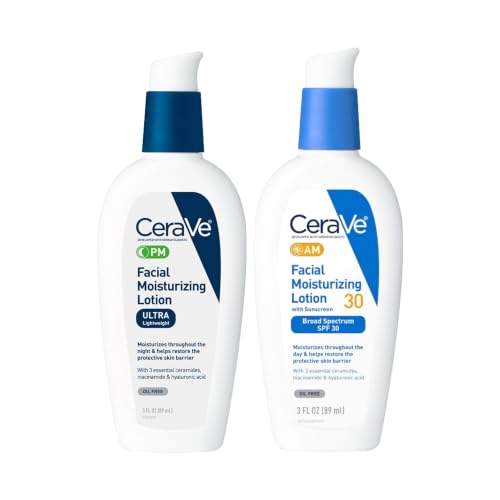
- [ 3 ESSENTIAL CERAMIDES ] Ceramides are found naturally in the skin and make up 50% of the lipids in the skin barrier. A…
- [ ESSENTIAL CERAMIDES ] Ceramides are found naturally in the skin and make up 50% of the lipids in the skin barrier. All…
- [ DEVELOPED WITH DERMATOLOGISTS ] CeraVe Skincare is developed with dermatologists and has products suitable for dry ski…