“Am I in menopause?” It sounds like a simple question, but the answer confuses a lot of women. That’s because “menopause” is often used to describe the whole transition, when it’s really just one moment in time. The change actually happens in three stages: perimenopause, menopause, and postmenopause. Knowing which one you’re in can help you make sense of your symptoms and have a better conversation with your doctor.
Stage 1: Perimenopause, the “around menopause” years
Perimenopause is the transition leading up to your final period. It usually starts in your 40s, though some women notice changes in their late 30s. It can begin up to 8 to 10 years before menopause, and it can last anywhere from a few months to several years.
During perimenopause, your hormones don’t just drop. They rise and fall unpredictably. That roller coaster is why this stage often feels the most confusing.
Common signs of perimenopause:
- Periods that become irregular: closer together, further apart, heavier or lighter
- Hot flashes and night sweats
- Trouble sleeping or waking up at 3 a.m.
- Mood swings, irritability, or feeling anxious
- Brain fog and forgetfulness
- Vaginal dryness or lower sex drive
Good to know: You can still get pregnant during perimenopause, because you may still ovulate some months. If you don’t want to get pregnant, keep using birth control until your doctor confirms you’ve reached menopause.
Stage 2: Menopause, a single milestone
Here’s the part that surprises most women: menopause isn’t a phase. It’s one specific day. You’ve officially reached menopause when you’ve gone 12 months in a row without a period, with no other cause like pregnancy, illness or medication.
In the United States, the average age of menopause is around 51 or 52, but anywhere from your mid-40s to mid-50s is common. Menopause before age 45 is considered early, and before 40 is considered premature. If that’s you, it’s worth talking with your doctor.
Because menopause is only confirmed by looking back, you won’t know the exact day when it happens. You’ll realize it after a full year without a period.
Stage 3: Postmenopause, the rest of your life
Once you’ve reached that 12-month milestone, you’re postmenopausal, and you stay postmenopausal from then on. For many women, this stage brings relief: no more periods, and hormone levels settle down.
Some symptoms, like hot flashes, can continue for a few years into postmenopause before they ease. Others, like vaginal dryness, may continue or show up for the first time.
Lower estrogen also affects your long-term health. After menopause, the risk of bone loss (osteoporosis) and heart disease goes up. That’s why postmenopause is a great time to focus on strength training, calcium and vitamin D, heart-healthy habits, and regular checkups.
Important: Any vaginal bleeding after menopause isn’t normal. If it happens, even just spotting, call your doctor.
The three stages at a glance
- Perimenopause: the transition years, usually in your 40s. Hormones go up and down, periods become irregular, and symptoms often start here.
- Menopause: one moment in time, 12 months in a row with no period. The average age is about 51 to 52.
- Postmenopause: every day after that milestone. Symptoms often ease, but bone and heart health become more important.
How to tell which stage you’re in
The easiest way is to track it. Write down the date of each period, plus any symptoms you notice: hot flashes, night sweats, sleep problems, mood changes. After a few months, you’ll start to see patterns. Your notes will also make appointments easier, because you’ll have real details to share instead of trying to remember everything on the spot.
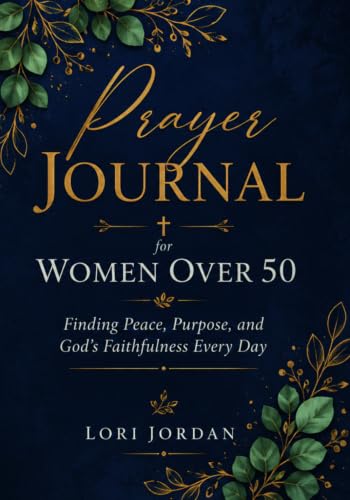
My Amazon pick: A Guided Journal for Women in Midlife
A simple journal to track your periods, symptoms, and moods, and to write about how you’re feeling as you move through the change. Helpful for spotting patterns and for your next doctor visit.
As an Amazon Associate, I earn from qualifying purchases.
The takeaway
Perimenopause is the bumpy road, menopause is the one-year milestone, and postmenopause is everything that comes after. Wherever you are right now, it isn’t the end of something. It’s the start of your second act. Save the pin for the days you need the reminder, and follow along on Pinterest for more real-life menopause tips.
This article is for general information only and isn’t medical advice. Talk with your doctor about your own symptoms, birth control, and treatment options.