If you wake up hot, damp and throwing the covers off at 2 a.m., you’re far from alone. Night sweats and hot flashes are some of the most common reasons women in midlife lose sleep. One of the simplest fixes isn’t a pill or a gadget. It’s the number on your thermostat.
The sweet spot: about 65–68°F
Sleep experts generally recommend keeping your bedroom between 65 and 68°F (about 18–20°C), with around 65°F often called the ideal. Your body naturally cools down as you fall asleep, and a cooler room helps that happen.
During menopause, your internal thermostat gets touchy. Even a small rise in body temperature can trigger a hot flash or a night sweat. A cool room gives you a buffer, so a warm moment is less likely to turn into a soaked pillowcase.
If 65°F sounds chilly, don’t worry. You can stay cozy under a light, breathable blanket and still keep the air around you cool. Start at 68°F and drop a degree every few nights until you find your number.
Why humidity matters too
Temperature is only half the story. Humid air makes it harder for sweat to evaporate, so you feel hotter and stickier than the thermostat says. Most homes feel best with humidity somewhere between 30 and 50 percent. If your room feels muggy, a fan or a dehumidifier can make a bigger difference than turning the AC down another notch.
6 easy ways to cool your bedroom tonight
- Close the blinds during the day. Thermal or blackout curtains keep afternoon sun from heating your room.
- Run a fan early. Turn it on an hour before bed to move warm air out.
- Keep ice water by the bed. A few sips during a hot flash helps you cool down fast.
- Choose breathable bedding. Cotton percale, linen, or moisture-wicking sheets beat heavy polyester.
- Layer your covers. Use a light sheet plus a blanket you can kick off without fully waking.
- Skip the late hot shower. A lukewarm shower helps your body cool down before sleep.
Know your number with a room thermometer
Here’s the thing: most of us are guessing. The thermostat in the hallway can read very differently from your bedroom, especially upstairs or in a room that gets afternoon sun. A small digital thermometer with a humidity reading sits on your nightstand and shows you exactly what’s happening where you sleep. After a few nights you’ll see your pattern, like whether your room heats up after midnight or gets muggy before dawn, and you can adjust from there.
My Amazon pick: Digital Room Thermometer & Hygrometer
A simple bedside thermometer that shows both temperature and humidity, so you can find your cool-sleep sweet spot instead of guessing.
As an Amazon Associate, I earn from qualifying purchases.
The takeaway
Aim for a bedroom around 65–68°F, keep the air dry and moving, and dress your bed in light, breathable layers. Small changes like these can turn restless, sweaty nights into calmer, cooler ones. Save the pin for tonight, and follow along on Pinterest for more real-life menopause tips.
This article is for general information only and isn’t medical advice. If night sweats are frequent or severe, talk with your doctor.
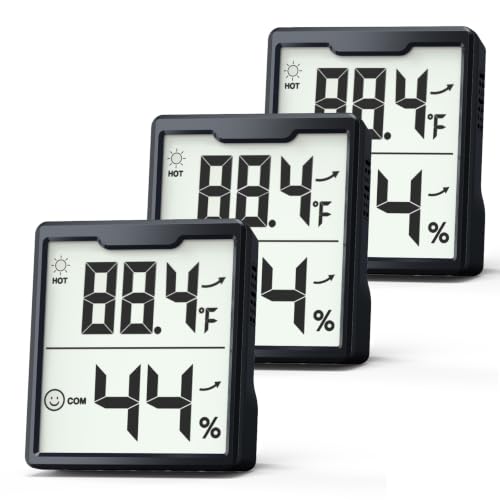
- High Accuracy & Quick Refresh Rate: The room thermometer indoor delivers precise readings with a temperature accuracy of…
- Face Icon Comfort Indicator: Humidity temperature gauge features face icons to indicate DRY/COMFORT/WET air conditions, …
- Easy to Read: The temperature and humidity monitor features a compact LCD display with large bold digits, allowing you t…